What Happens During a Professional Trash Can Cleaning Appointment?
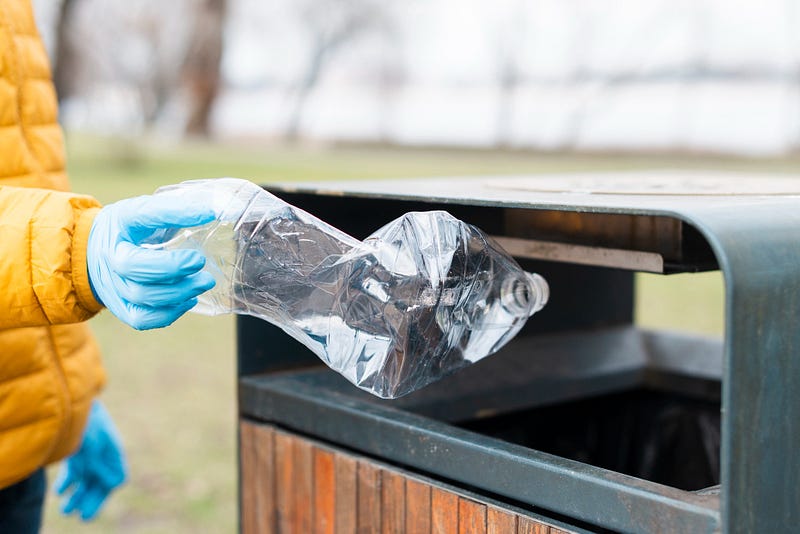
Many homeowners know that trash cans can become dirty, smelly, and unhygienic, but fewer understand what actually happens during a professional trash can cleaning appointment. Because the process usually takes place outside and requires little involvement from the homeowner, it often feels almost invisible. Yet behind the scenes, professional bin cleaning follows a structured sanitation process designed to remove bacteria, odors, and residue far more effectively than typical at-home cleaning.
Understanding what happens during a professional trash can cleaning appointment helps set expectations and explains why these services are so effective.
Preparation Before the Cleaning Begins
A professional trash can cleaning appointment typically takes place on or shortly after trash collection day. This timing ensures that bins are empty and ready for cleaning. Homeowners usually do not need to be present, as bins are cleaned curbside or in a designated outdoor area.
The cleaning vehicle arrives equipped with specialized machinery, water tanks, and sanitation tools. These trucks are designed specifically for bin cleaning, allowing technicians to work efficiently without using the homeowner’s water or utilities.
Initial Inspection of the Trash Can
Before cleaning begins, the technician inspects each trash can for visible damage, excessive buildup, or items that may interfere with the cleaning process. This step ensures the bin can be cleaned safely and effectively.
Lids, wheels, and handles are checked because these are high-touch areas that often harbor bacteria. Cracks or structural issues may also be noted, as damaged bins can trap residue more easily and contribute to recurring odors.
High-Pressure, Hot Water Cleaning
One of the most important steps in a professional trash can cleaning appointment is the use of high-pressure hot water. Unlike household hoses that use cold water, professional systems typically rely on heated water to break down grease, food residue, and organic matter.
The trash can is placed into a cleaning chamber or mounted on a lift that rotates the bin while powerful jets spray the interior. This process reaches all surfaces, including corners and crevices that are difficult to clean manually.
Hot water plays a crucial role in sanitation by killing bacteria and loosening biofilms — thin layers of microorganisms that stick to bin surfaces and cause persistent odors.
Thorough Exterior Cleaning
Once the interior is cleaned, the exterior of the trash can is also washed. Handles, lids, wheels, and side panels are thoroughly cleaned because these areas are frequently touched and exposed to contamination.
Exterior cleaning removes grime, bacteria, and residue that accumulate from handling, storage, and environmental exposure. This step helps reduce the transfer of germs to hands, clothing, and nearby surfaces.
Sanitizing and Deodorizing the Bin
After washing, a sanitizing solution is applied to eliminate remaining bacteria and neutralize odors. Professional services typically use eco-friendly, biodegradable cleaning agents that are effective against germs while being safe for the environment.
This step is essential because it targets microorganisms that survive basic washing. Proper sanitization prevents rapid bacterial regrowth and keeps bins smelling fresh longer than standard rinsing methods.
Wastewater Collection and Disposal
One of the key differences between professional bin cleaning and home washing is wastewater management. During a professional appointment, all wastewater is collected inside the cleaning truck rather than being released onto driveways or into storm drains.
This contaminated water is later disposed of properly at approved wastewater facilities. This controlled process prevents environmental pollution and ensures compliance with sanitation regulations.
Final Inspection and Placement
After cleaning is complete, the technician performs a final inspection to ensure the bin is clean, sanitized, and free of visible residue. The trash can is then returned to its original location or placed neatly back at the curb or storage area.
The entire appointment typically takes only a few minutes per bin, making it convenient and unobtrusive for homeowners.
What Homeowners Do Not Need to Do
One of the most appealing aspects of professional trash can cleaning is how little involvement is required from the homeowner. There is no need to provide water, electricity, or cleaning supplies. Homeowners also avoid exposure to unpleasant odors, bacteria, and heavy lifting.
Because the process is quick and efficient, it fits seamlessly into regular trash collection schedules without disrupting daily routines.
Why Professional Cleaning Is More Effective Than DIY Methods
Professional trash can cleaning is designed to address the root causes of odors and contamination. At-home cleaning often removes surface dirt but leaves behind bacteria and biofilms that quickly cause smells to return.
By combining hot water, pressure, proper sanitation, and controlled wastewater disposal, professional services achieve a deeper and longer-lasting level of cleanliness. This reduces pest attraction, improves hygiene, and extends the usable life of trash bins.
Conclusion
A professional trash can cleaning appointment is a straightforward yet highly effective sanitation process. From high-pressure hot water cleaning to thorough sanitization and responsible wastewater disposal, each step is designed to eliminate bacteria, odors, and residue at their source. With minimal effort required from homeowners, professional bin cleaning offers a practical and reliable way to maintain cleaner, healthier waste containers and improve overall household hygiene.


Comments
Post a Comment