Understanding the Water Footprint of Cleaning Trash Cans at Home
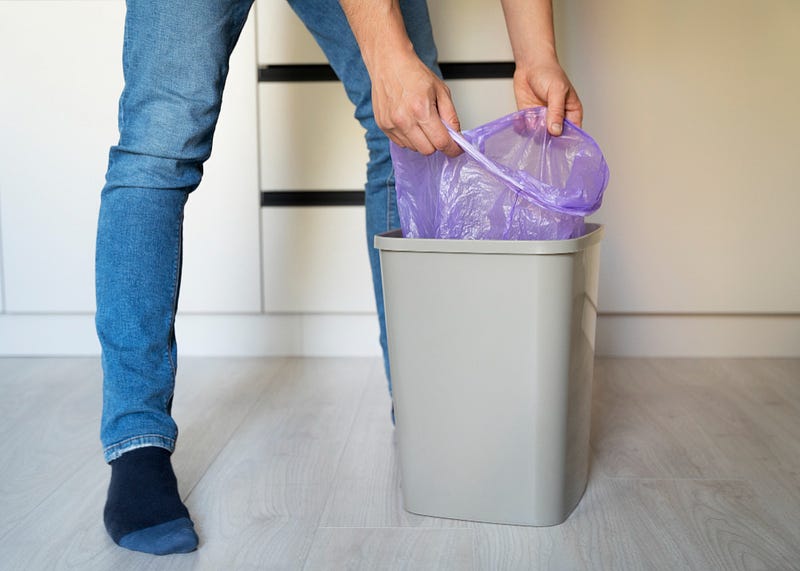
Cleaning a trash can is one of those chores most homeowners do only when the odors become too strong to ignore. A quick rinse with the hose, a splash of detergent, and the job feels done. But what many people don’t consider is how much water actually goes into this seemingly simple task — and what that means for long-term sustainability.
Understanding the water footprint of cleaning trash cans helps us rethink the way we maintain hygiene at home while still being mindful of the environment.
What Is a Water Footprint?
A water footprint is the total volume of water used directly or indirectly to perform an activity. When applied to households, it accounts for the water running through taps, hoses, appliances, and drains. In the case of trash-can cleaning, it includes every gallon used for rinsing, scrubbing, and flushing away dirt.
Though one rinse may seem insignificant, the cumulative impact across neighborhoods — and repeated cleanings throughout the year — can be surprisingly large.
How Much Water Is Used When Cleaning a Trash Can?
The exact amount varies greatly depending on method, frequency, and household habits. Most homeowners tend to use an outdoor garden hose, but what feels like a quick rinse can be more wasteful than expected.
A standard garden hose releases 6–12 gallons of water per minute. Even a two-minute rinse can easily use 12–24 gallons — and that’s before any scrubbing or secondary rinses.
If someone deep-cleans their bins weekly, the annual water use may exceed:
- 600–1200 gallons per trash can per year
- Double or triple that amount if the home has multiple cans
These numbers highlight an often overlooked reality: frequent rinsing of residential bins can contribute significantly to a household’s overall water consumption.
Why Does Bin Cleaning Require So Much Water?
Trash cans accumulate food residue, bacteria, mold, and sticky liquids that don’t wash away easily. This leads to multiple rounds of rinsing, especially when using cold water alone.
Additional factors that increase water usage include:
1. High-Pressure Hose Cleaning
It feels efficient, but the high flow rate can waste large volumes of water quickly.
2. Soap-Based Cleaning
Using detergent typically requires extra rinsing to remove suds, doubling the water used.
3. Dealing With Odors
Odorous waste often needs deep scrubbing, meaning longer cleaning times.
4. Lack of Temperature Control
Cold water does not break down grease or organic matter as effectively, leading to more rinsing cycles.
Environmental Impact of Excessive Water Use
Water scarcity is a growing global concern. Even in areas where water seems abundant, residential overuse contributes to:
- Increased strain on municipal supply systems
- Higher energy use for water treatment and distribution
- Greater production of wastewater that must be processed
- Reduced environmental resilience during drought seasons
The ecological effect isn’t limited to water consumption alone. What happens after rinsing is also a major factor in your environmental footprint.
Where Does the Dirty Water Go?
When you rinse your trash can in the driveway, the wastewater — containing bacteria, cleaning chemicals, rotten food residue, and sometimes animal waste — flows directly into storm drains. These drains typically empty into natural waterways without filtration, meaning contaminants can enter local ecosystems and affect wildlife.
Even if you clean your bin indoors, the hot water, detergent, and organic waste place additional strain on wastewater treatment facilities.
Is There a More Responsible Way to Clean Trash Cans?
Yes — but it requires a shift in approach.
1. Reduce Cleaning Frequency Through Prevention
Using trash bags consistently, closing lids tightly, and rinsing before disposing of containers can reduce the buildup of residue.
2. Use Water More Efficiently
Short bursts of water, targeted rinsing, and using a bucket instead of a running hose can save gallons per cleaning.
3. Opt for Natural Cleaners
Vinegar or baking soda work effectively and reduce chemical contamination in wastewater.
4. Choose Professional Bin-Cleaning Services
Professionally equipped bin-cleaning trucks reuse and filter water, often cleaning dozens of bins with the same tank.
This drastically lowers the environmental footprint compared to individual home rinsing.
Instead of expending 20–40 gallons per cleaning, commercial equipment may use only a fraction of that per bin, while also ensuring proper wastewater collection and disposal.
A Smarter Approach to Water Use at Home
Re-evaluating the way we clean trash cans helps homeowners become more mindful of water conservation. While hygiene is essential, there are smarter, more efficient ways to maintain cleanliness without wasting hundreds of gallons a year. Reducing your water footprint doesn’t require dramatic lifestyle changes — just an awareness of how everyday actions add up.
For homeowners who want a cleaner, safer, and more environmentally responsible solution for maintaining their bins, exploring professional cleaning options can be a practical alternative. You can learn more about eco-friendly bin cleaning practices and services at Mr. Clean Bins.


Comments
Post a Comment