How Proper Bin Hygiene Reduces Environmental Contamination
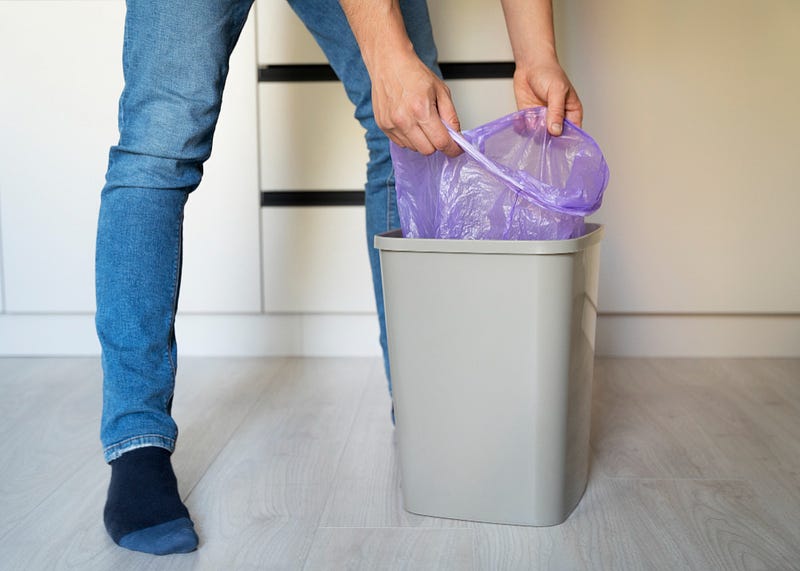
Trash bins are one of the most frequently used yet least considered components of household hygiene. They quietly collect everything we discard — food scraps, packaging, liquids, pet waste, and other materials that begin decomposing almost immediately. When bins are neglected or improperly maintained, they can become sources of environmental contamination that extend far beyond a single household. Proper bin hygiene plays a vital role in protecting public health, preserving water quality, and minimizing ecological damage.
Understanding how clean waste containers reduce contamination helps homeowners recognize that bin hygiene is not just a matter of comfort or odor control — it is a meaningful environmental responsibility.
The Hidden Environmental Role of Trash Bins
At first glance, trash bins seem passive. They hold waste until collection day, and once emptied, they remain curbside or in garages until the next cycle. However, the waste inside them is constantly changing. Organic materials begin to break down, liquids leak from bags, and bacteria multiply rapidly in warm, enclosed environments.
As waste decomposes, it releases fluids known as leachate. This liquid contains dissolved organic matter, bacteria, and sometimes chemical residues from household products. When bins are cracked, overflowing, or improperly cleaned, leachate can escape and enter soil, storm drains, or nearby surfaces. This is where environmental contamination begins.
How Poor Bin Hygiene Contributes to Pollution
Improperly maintained trash bins can contaminate the environment in several interconnected ways. Liquids that leak from bins often flow into driveways, sidewalks, and streets, eventually reaching stormwater systems. Unlike wastewater from household plumbing, stormwater is usually not treated before being released into rivers, lakes, or coastal waters.
These contaminated runoff pathways can introduce harmful microorganisms, excess nutrients, and chemical compounds into natural ecosystems. Over time, this contributes to algae blooms, reduced oxygen levels in water bodies, and harm to aquatic life.
In addition, bins with heavy residue buildup attract pests such as rodents, insects, and birds. These animals can spread waste across larger areas, increasing the radius of contamination and introducing pathogens into gardens, yards, and public spaces.
The Connection Between Bin Hygiene and Water Quality
Water contamination is one of the most significant environmental risks associated with poor bin hygiene. When food waste, oils, and organic matter mix with rainwater or hose runoff, the resulting mixture becomes a pollutant. Even small amounts of contaminated runoff can impact local water systems.
Nutrients from decomposing food waste act as fertilizers when they enter natural waterways. This disrupts ecological balance by encouraging excessive plant and algae growth. As algae multiply, oxygen levels drop, creating conditions that are harmful or fatal to fish and other aquatic organisms.
Proper bin hygiene limits the formation of leachate and reduces the likelihood that contaminants will reach storm drains. Clean, sealed bins with minimal residue help protect local water sources from unnecessary pollution.
Soil Contamination and Its Long-Term Effects
Soil is often the first environment affected by leaking or poorly cleaned bins. When contaminated liquids seep into the ground, they can alter soil composition and microbial balance. Over time, this may affect plant health, reduce soil fertility, and create unsafe conditions for children and pets who play nearby.
Certain household waste residues, including cleaning chemicals and food preservatives, do not break down easily. When these substances accumulate in soil, they may persist for years, slowly migrating into groundwater or nearby vegetation. Maintaining clean bins helps reduce the chance of these substances entering the soil in the first place.
Air Quality and Odor-Related Pollution
Although often overlooked, air quality is another area impacted by bin hygiene. Decomposing waste produces gases such as ammonia, methane, and sulfur compounds. These gases contribute to foul odors, but they also affect air quality at a local level.
In densely populated neighborhoods, poor bin hygiene can create persistent odor issues that affect multiple households. Methane emissions from decomposing organic waste also contribute to greenhouse gas accumulation. While residential bins represent a small fraction of global emissions, improved hygiene and waste management practices collectively help reduce environmental impact.
Preventing the Spread of Harmful Microorganisms
Trash bins provide an ideal breeding ground for bacteria, mold, and pathogens. Without regular cleaning, these microorganisms form biofilms — protective layers that allow them to survive longer and spread more easily.
When bins are handled, moved, or tipped during collection, bacteria can transfer to hands, surfaces, and surrounding areas. Rainwater can carry these microorganisms into storm drains, while pests can transport them into other environments. Proper bin hygiene disrupts microbial growth, reducing the likelihood of widespread contamination.
Responsible Cleaning Practices Make a Difference
Proper bin hygiene does not simply mean rinsing a bin occasionally. Effective hygiene involves thorough cleaning methods that remove residue, reduce bacterial buildup, and prevent contaminated runoff.
Using minimal water, avoiding harsh chemicals, and ensuring wastewater does not enter storm drains are key elements of responsible bin maintenance. Professional cleaning systems often incorporate high-temperature water and controlled wastewater disposal, which significantly reduces environmental harm compared to casual at-home rinsing.
By adopting thoughtful cleaning practices, homeowners can maintain hygiene without contributing to pollution.
The Broader Environmental Impact of Clean Bins
When multiplied across communities, proper bin hygiene has a measurable environmental benefit. Cleaner bins lead to fewer pests, reduced runoff contamination, and less strain on municipal waste and water systems. Neighborhoods with good waste hygiene experience fewer sanitation issues and improved overall environmental quality.
Small actions, such as preventing leaks, closing lids securely, and ensuring bins are cleaned responsibly, help create healthier ecosystems. These actions also reinforce the connection between everyday habits and environmental stewardship.
Conclusion
Trash bins may seem insignificant, but their condition has a direct impact on environmental contamination. Proper bin hygiene reduces polluted runoff, protects soil and water quality, limits pest activity, and curbs the spread of harmful microorganisms. Maintaining clean waste containers is not only a household responsibility — it is an environmentally conscious practice that benefits entire communities. For those looking to learn more about responsible bin hygiene and environmentally mindful cleaning solutions, helpful information can be found at https://www.mrcleanbins.com/.


Comments
Post a Comment